

How do developments in technology affect hair removal?
Blog BackTable of Contents:
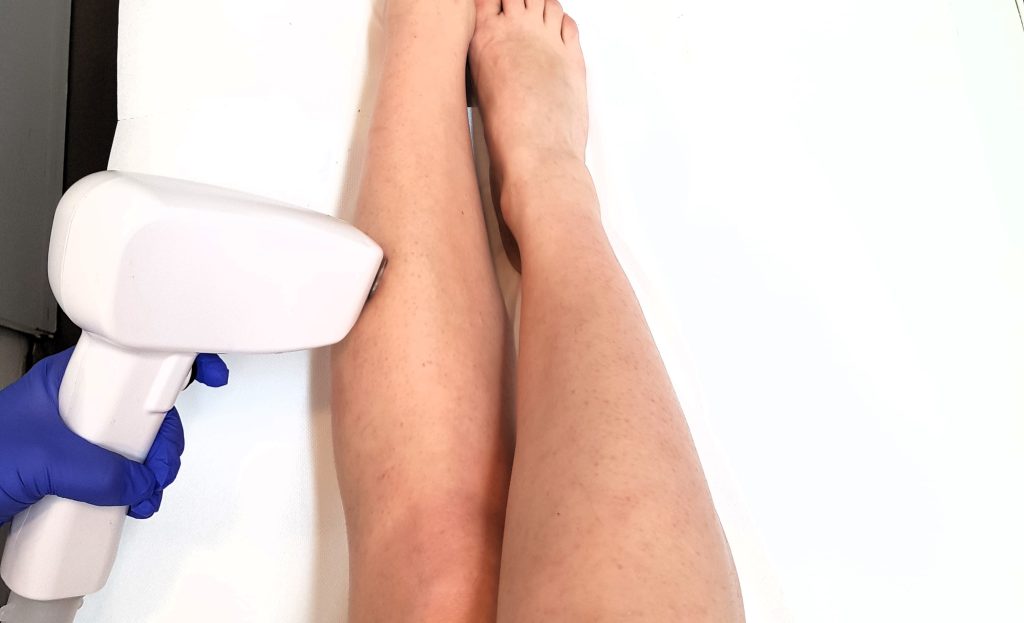
Hair removal is a topic that has fascinated people all over the world for centuries. Over the years and with the development of technology, hair removal methods have undergone significant evolution. From simple techniques used in ancient times to modern treatments that promise permanent results, technological innovations have contributed to significant improvements in the effectiveness, safety and comfort of epilation procedures. In this article, we take a look at how developments in technology are affecting epilation.
Modern epilation methods
- One of the most revolutionary methods in epilation is laser epilation. This technique, developed since the 1960s, has become popular due to its effectiveness and long-lasting results. It uses concentrated beams of light that is absorbed by the melanin in the hair. As technology has progressed, laser devices have become more advanced, allowing for:
- Greater precision: modern lasers are able to precisely target darker hair, minimising damage to the surrounding skin.
- Less discomfort and greater security: technological innovations in cooling systems have made the treatment less painful, increasing patient comfort.
- Effectiveness on different skin types: modern lasers are designed to be effective on different skin and hair colours, making laser hair removal accessible to a wider audience.
- Long-term effect: hair may not grow back for several months or years, and in some cases even completely.
- IPL (Intense Pulsed Light) - IPL hair removal is similar to laser hair removal, but instead of using a single wavelength, it uses a broad spectrum of light. Differences include:
- Availability: IPL is commonly found in home hair removal devices.
- Lower cost: IPL treatments are often cheaper than laser treatments, although they may require more sessions.
- Less effective: IPL can be less precise than lasers, which can mean the results are less long-lasting.
- Home Hair Removal Devices - As technology has advanced, home hair removal devices have emerged that were previously only available in beauty salons:
- Home Lasers and IPLs: Many companies have developed laser and IPL devices that are safe to use at home. They are less intense than the professional versions, but can provide long-lasting results with regular use.
- Epilators: Modern epilators are faster and more advanced in terms of comfort, often with cooling or massaging features to reduce pain.
- Depilatory creams with advanced formulas - the development of cosmetic chemistry has led to the creation of more effective and gentle depilatory creams. Thanks to new ingredients:
- Speed and convenience: Creams work faster and are easier to apply.
- Skin safety: Reduced risk of irritation, thanks to additional soothing and moisturizing substances.
- Wider availability for different skin types: Formulas are available for sensitive skin, normal skin, and skin prone to allergies.
- Smart Devices and Apps - Advanced hair removal devices can be connected to mobile apps that help monitor hair removal cycles, remind you when to repeat a treatment or even analyze your skin and hair to adjust the intensity of the light or laser. With Bluetooth or Wi-Fi technology, users can track progress and customize treatments to their individual needs.
- Ultrasound technology - This is a relatively new method that uses ultrasound to destroy hair follicles. This technology is still in the development phase, but promises to be a painless and effective alternative to traditional methods.
- Nanotechnology - Nanotechnology is used in the formulation of depilatory creams and preparations, improving their effectiveness and action at the cellular level. This can lead to longer-lasting effects and less skin irritation.
- Robotics and automation in beauty salons - automation in beauty salons is introducing more precise devices that can automatically scan the body and precisely remove hair, reducing time and increasing the efficiency of the procedure. Thanks to advanced computer systems, such devices can minimize the risk of human error.
- New waxing materials - traditional waxing has also changed with the introduction of new, more flexible and less painful wax formulas. Technology has allowed the development of waxes with a lower melting point and more gentle on the skin.
- Development of cooling and pain-relieving technologies - many manufacturers of hair removal devices are introducing cooling technologies and pain-relieving systems, such as air cooling or vacuum techniques to minimize the feeling of discomfort. This is especially important in the case of more painful hair removal methods, such as laser.
Personalisation of treatments
Thanks to advances in technology, hair removal treatments are becoming increasingly personalised. Many cosmetic surgeries are using modern diagnostic systems that allow the parameters of treatments to be personalised to the client. The use of advanced skin analysis equipment, equipped with special sensors allows specialists to assess skin and hair type, enabling the most effective epilation method to be selected. An increasing number of beauty salons are also introducing mobile apps that allow clients to track their hair removal progress, adjust the intensity, but also recommend the best treatments and products, or manage appointments and take advantage of promotions. Together with a specialist, you can create an individual treatment plan tailored to the hair growth cycle, but also to individual goals and needs. Treatments are also adapted to sensitive areas, methods are selected in such a way that comfort and effects are the best possible. Depending on the individual pain threshold, cooling technologies are used - in laser hair removal, this is e.g. cold air or cryotechnology. The intensity is also adjusted to individual sensations. After-treatment care products are also adjusted to individual preferences to minimize discomfort.
An eco-friendly approach
Increased interest in environmental protection has influenced the development of epilation technology. Many companies are seeking to introduce eco-friendly epilation products that are environmentally friendly yet effective. Manufacturers of depilatory creams and waxes are beginning to introduce natural, biodegradable ingredients, reusable straps, which reduces the negative impact on the environment. Additionally, the increase in interest in reusable depilatory devices is helping to reduce waste:: instead of traditional disposable razors, razors with safety razors, partially recycled razors, or reusable razors are offered.
Summary
Developments in technology are having a significant impact on hair removal, introducing new methods, products and innovations that make treatments more effective, comfortable and safe. From laser hair removal to cutting-edge products for home use, technological advances are opening up new possibilities in the field of hair removal. The process becomes more personalized, safe and effective. As technology continues to evolve, we can expect further innovations to make hair removal even more accessible, effective and environmentally friendly.